Tag: Chicken Recipes

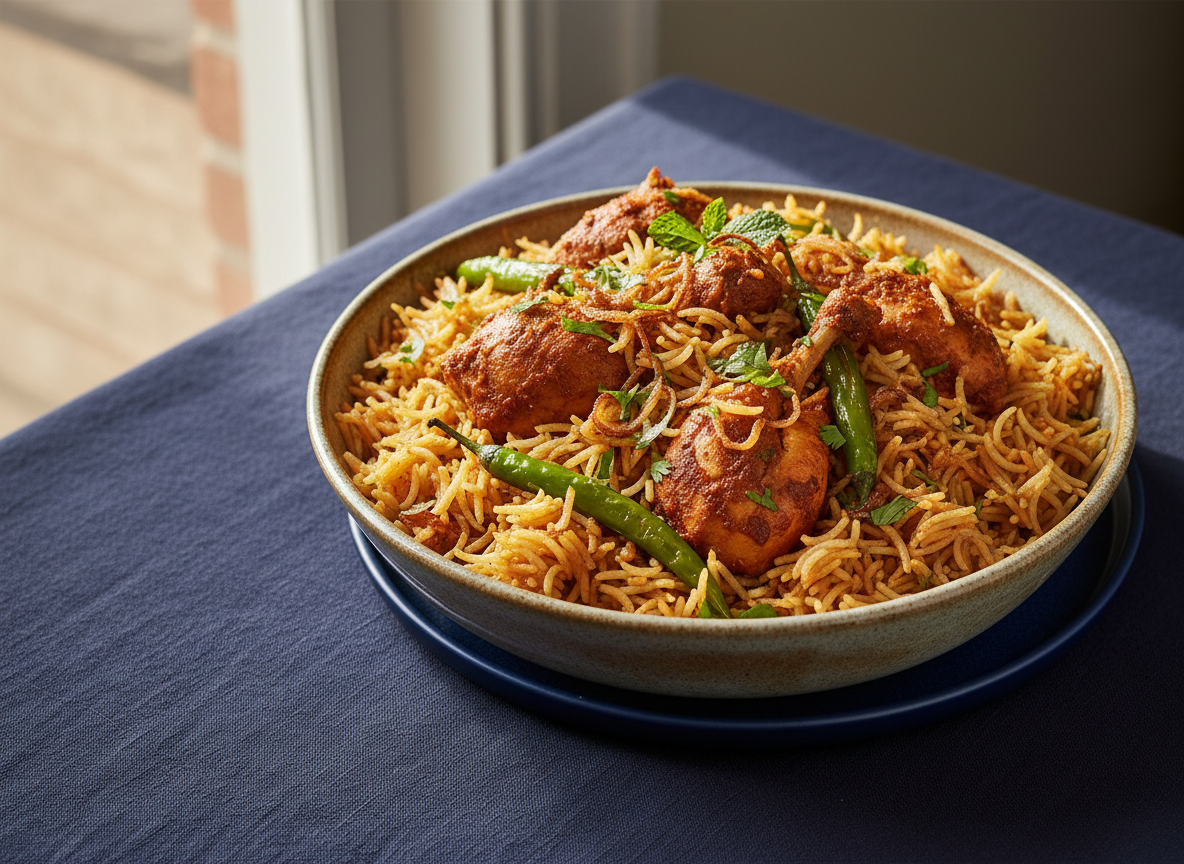
  • Chicken Biryani Recipe – Fragrant Pakistani Chicken Rice

    Chicken Biryani Recipe – Fragrant Pakistani Chicken Rice

    A home-style Chicken Biryani Recipe with a spiced masala, partly cooked rice and a final gentle steam. Prepare the components before layering.

    Ingredients

    • 750 g chicken pieces
    • 2 cups basmati rice, rinsed and soaked 20 minutes
    • 2 onions, thinly sliced
    • 2 tomatoes, chopped
    • ½ cup plain yogurt
    • 2 tbsp ginger-garlic paste
    • Biryani masala or a mix of cumin, coriander, chilli and garam masala
    • Mint, coriander, green chillies and lemon
    • Oil or ghee, salt and a pinch of food colour (optional)

    Method

    1. Fry onions until golden. Remove some for garnish.
    2. Add chicken, ginger-garlic paste and spices; cook until fragrant.
    3. Add tomatoes and yogurt. Simmer until chicken is cooked and masala is thick.
    4. Boil rice in salted water until about 70–80% cooked; drain.
    5. Layer rice over chicken masala. Add herbs, fried onion and lemon.
    6. Cover tightly and steam on very low heat until rice is tender and flavours combine.
    7. Rest briefly, then fluff gently and serve.

    Cooking time varies by rice and pot. Ensure chicken is fully cooked before serving.

    Chicken Biryani at a glance

    Preparation25 minutes
    Cooking65 minutes
    Total time90 minutes
    Servings6
    DifficultyMedium

    Times are estimates and may vary with your equipment and experience. Adjust seasoning to taste and follow safe food-handling practices.

    Frequently asked questions

    Why should rice be partly cooked first?

    It finishes steaming with the chicken masala so the grains do not overcook.

    Can I make biryani less spicy?

    Reduce green chillies and chilli powder to suit your taste.

    How should I store leftovers?

    Cool promptly, refrigerate in a covered container and reheat thoroughly.

    Understanding the rice and masala

    Basmati rice is valued for its long grains and aroma. Rinse it several times until the water is less cloudy, then soak it for around 20 minutes. This helps the grains cook more evenly. Do not soak for an unusually long time unless the rice package recommends it, because very soft grains can break during boiling and layering.

    The chicken masala should be flavourful and slightly moist, not watery. The rice will take on aroma from the masala during the final steam. If the masala is too thin, the lower rice layer can become soggy; if it is too dry, the flavours may not spread evenly. Reduce excess liquid before layering.

    Layering and steaming tips

    Spread the chicken masala evenly across the bottom of a heavy pot, then add the drained parboiled rice in a loose layer. Sprinkle herbs, fried onion and lemon over the rice. If using food colour, dissolve a tiny amount according to its package directions and drizzle sparingly; it is optional and does not create the flavour of biryani.

    Seal the pot with a tight-fitting lid. If the lid is loose, place a clean kitchen towel between the pot and lid, keeping it safely away from the flame. Steam on very low heat. A heat diffuser or tawa beneath the pot can help prevent the bottom layer from scorching.

    Choosing and balancing spices

    Biryani masala blends differ in strength, salt and chilli level. If using a packaged blend, check its label before adding extra salt or chilli. Whole spices such as cardamom, cinnamon, cloves and bay leaf can add aroma, but use them in moderation so they do not overpower the chicken.

    Yogurt adds body and a gentle tang to the masala. Use plain unsweetened yogurt and stir it in over moderate heat. If it is very cold, allow it to lose some chill before adding. Stir continuously at first so it blends smoothly.

    Troubleshooting biryani

    If the rice is still firm after steaming, sprinkle a little hot water over it, cover tightly and continue on very low heat for a few minutes. Avoid stirring repeatedly because that can break the grains.

    If the rice becomes mushy, it may have been boiled too far before layering or steamed with too much liquid. Next time drain the rice when it is still slightly firm in the centre and make sure the chicken masala is not watery.

    If the bottom catches, lower the heat and use a heavy pot or heat diffuser. Do not scrape burnt rice into the rest of the dish; carefully transfer the unburnt biryani to a serving dish.

    Serving and planning ahead

    Serve biryani with plain raita, sliced cucumber, onion and tomato salad or a simple mint chutney. Since the rice and chicken are richly seasoned, fresh and cooling sides are usually enough. Lemon wedges can be offered separately.

    You can prepare the chicken masala earlier and refrigerate it promptly, then cook the rice and assemble the biryani closer to mealtime. Keep the cooked masala chilled and reheat it until hot before layering. Do not leave cooked chicken at room temperature while preparing the rice.
    for more infoTawa Seekh Kebab Recipe – Easy Stovetop Kebabs

    Extra cooking guidance and practical tips

    Use a pot with a thick base and a lid that fits securely. A thin pot can develop hot spots and scorch the rice during dum. If your cookware is light, place a flat tawa beneath it to diffuse heat. Keep the flame very low once the pot is covered, because the goal is gentle steam rather than vigorous frying.

    Allow the biryani to rest for several minutes after switching off the heat. This helps steam settle and makes it easier to lift the rice without breaking the grains. Use a wide spoon and lift from the side rather than stirring the entire pot aggressively.

    Fried onions add sweetness and depth. Slice them evenly so they brown at a similar rate, and remove them from the oil when they are golden rather than very dark. They continue to darken slightly after being removed. Drain on a plate and scatter over the layers.

    Mint and coriander contribute freshness, while lemon gives a bright finish. Use fresh herbs and distribute them in a thin layer rather than adding a large clump in one place. If you do not enjoy mint, reduce it and use more coriander.

    Make the dish your own by adjusting the chilli and whole spices, but keep the rice-to-liquid balance under control. A good biryani has separate grains with flavourful chicken underneath. Careful parboiling and gentle dum are more important than adding many extra spices.

    Before serving, check that the chicken pieces are hot and cooked through. If you have prepared the masala ahead, cool it promptly and refrigerate it rather than leaving it on the counter. Reheat thoroughly before layering with freshly parboiled rice.

    More helpful tips for home cooks

    Rice parboiling is one of the most important stages. Bring a large pot of water to a boil and season it lightly with salt. Add the soaked, drained rice and cook until the grains are elongated but still firm in the middle. The exact time varies by rice brand, so begin checking early. Drain immediately when the rice reaches this stage.

    Use a slotted spoon to handle the rice gently if you need to move it into the layering pot. Avoid pressing down on the grains. They will soften further during steaming, so slightly undercooked rice at this stage is preferable to rice that is already fully soft.

    Chicken pieces should be similar in size. Smaller pieces cook more quickly, while large bone-in pieces need longer. If your pieces vary widely, remove the smaller cooked pieces temporarily and return them when layering, or cut the chicken into more even portions before cooking.

    Fried onions can be prepared in advance, but store them only after they have cooled completely. If covered while warm, trapped steam can soften them. Keep them in a dry airtight container for a short period and add them between layers or as a garnish.

    Do not stir the biryani like a curry after the dum stage. The rice grains are delicate. Lift portions gently from the side of the pot so you can serve both rice and chicken without crushing the layers.

    To make a balanced plate, pair the biryani with a simple raita made from plain yogurt, cucumber and a little salt. A fresh salad with onion, tomato and lemon adds crunch. These sides provide contrast without competing with the aromatic rice.

    Final preparation notes

    For a more fragrant finish, use fresh mint and coriander rather than dried herbs. Wash them, dry them well and chop shortly before layering. Wet herbs can add unwanted moisture to the rice, so shake off excess water and pat them dry before use.

    If the chicken masala tastes too sharp from the tomatoes, allow it to simmer until the raw tomato flavour softens. A little yogurt can round out the sauce, but the key is to cook it gently and reduce excess moisture before adding the rice.

    Helpful details for consistent results

    If you like a stronger aroma, add whole spices to the oil before frying the onions, then remove any large pieces before serving if you prefer. Cinnamon, cloves and cardamom can be potent, so use them lightly and let them infuse the oil without burning.

    A little saffron steeped in warm milk can be drizzled over the rice before dum, but it is optional. The main biryani flavour should come from the chicken masala, onions, herbs and correctly cooked rice rather than colour alone.
  • Tawa Seekh Kebab Recipe – Easy Stovetop Kebabs

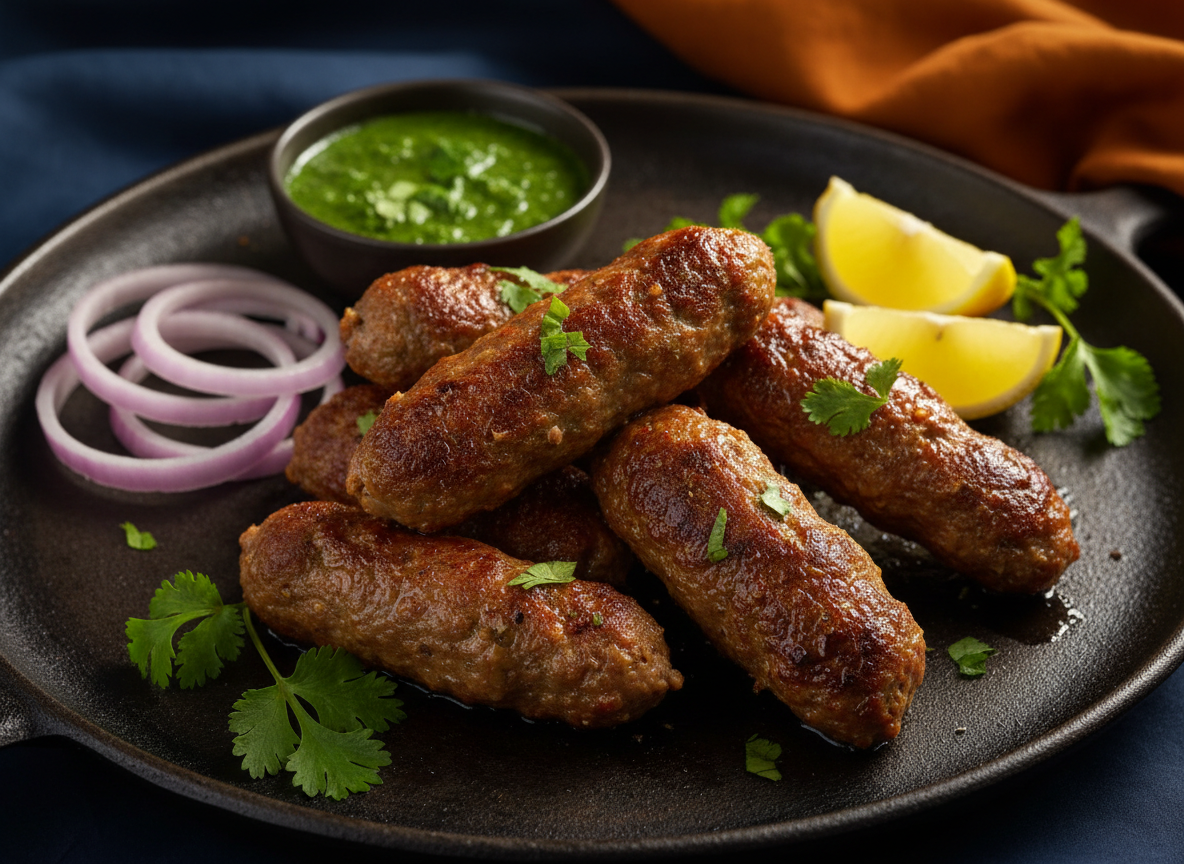
    Tawa Seekh Kebab Recipe – Easy Stovetop Kebabs

    Tawa Seekh Kebab Recipe bring the flavour of spiced minced-meat kebabs to an ordinary home kitchen without requiring a barbecue or outdoor grill. The mixture is seasoned with onion, ginger-garlic, herbs and warm spices, shaped into short kebabs and cooked on a hot, lightly oiled tawa. Chilling the mixture and controlling its moisture help the kebabs keep their shape.

    This guide explains the ingredients, preparation and cooking method in a practical order. Read through the method once before starting, measure the ingredients and prepare your cooking area. Small details such as dough texture, moisture level and heat control make a noticeable difference to the final result.

    The quantities are a starting point for a home kitchen. Ingredient sizes and moisture vary, so use the visual and texture cues in the instructions. Adjust seasoning gradually rather than adding a large amount at once.

    If you are cooking for guests, prepare the ingredients in advance and cook the dish close to serving time. Freshly cooked bread and kebabs are at their best when served warm; halwa can be held briefly and reheated gently.

    Recipe at a glance

    Preparation: 20 minutes plus chilling. Cooking: 10–15 minutes. Servings: 4. Method: stovetop. Difficulty: easy to medium. Times are estimates and depend on equipment, ingredient temperature and portion size.

    Ingredients

    • 500 g minced beef or chicken
    • 1 small onion, finely grated and squeezed dry
    • 1 tbsp ginger-garlic paste
    • 1 tsp cumin powder
    • 1 tsp coriander powder
    • ½ tsp chilli flakes
    • Salt and black pepper to taste
    • 2 tbsp chopped coriander and mint
    • 1 tbsp gram flour, lightly toasted
    • Oil for the pan
    • Lemon wedges and chutney to serve

    Choose fresh ingredients and measure them before cooking. Keep salt and chilli adjustable to your taste. Use clean utensils and separate equipment for raw meat where applicable. If an ingredient is optional, leave it out rather than replacing it with a large amount of another seasoning.

    The quality and condition of the main ingredient affect the result. Potatoes should be cooked until tender; mince should be kept chilled until mixing; flour should be fresh and stored dry. Preparing ingredients consistently helps them cook evenly.

    Equipment and preparation

    Use a stable, clean cooking surface and a pan suited to the quantity. A heavy pan distributes heat more evenly and is less likely to develop hot spots. Keep a plate ready for cooked portions and use tongs or a spatula to turn food safely.

    Complete the chopping, measuring and mixing before heating the pan. This is especially helpful when frying or cooking over a hot tawa, because the food may need attention throughout the process. Keep children away from hot oil and the stove.

    Step-by-step method

    1. Place the mince in a clean mixing bowl. If it contains excess liquid, drain it so the mixture is not loose.
    2. Add the squeezed grated onion, ginger-garlic paste, cumin, coriander, chilli flakes, salt, pepper, herbs and toasted gram flour.
    3. Mix thoroughly until the seasonings are evenly distributed and the mixture begins to hold together. Avoid adding extra water.
    4. Cover and refrigerate for 20–30 minutes. Chilling firms the mixture and makes shaping easier.
    5. Lightly oil your hands. Divide the mixture into equal portions and shape around metal skewers, or form small oval kebabs if you do not have skewers.
    6. Heat a tawa over medium heat and brush it with a little oil. Place the kebabs with space between them so they brown instead of steaming.
    7. Turn carefully as the underside browns. Continue cooking until the kebabs are evenly browned and cooked through in the centre. Use a food thermometer: minced beef should reach 71°C (160°F), while minced chicken should reach 74°C (165°F).
    8. Rest briefly and serve with lemon, chutney, sliced onion and warm naan or roti.

    Texture, flavour and heat control

    Squeezing moisture from the grated onion is important. A wet mixture can slide off skewers or break when turned. Toasted gram flour helps bind the mince, but use only the stated small amount so the kebabs do not become dense.

    Heat control matters as much as the ingredient list. If the surface browns too quickly, lower the heat so the centre has time to cook. If food is pale and releasing moisture, the pan may be crowded or not hot enough. Work in batches when necessary and allow the pan to recover its heat between batches.

    Taste and adjust only when it is safe and appropriate to do so. A little lemon, fresh coriander or chutney at the table can brighten the dish without changing the main cooking process. Avoid over-seasoning early, because flavours become more concentrated as moisture evaporates.

    Common mistakes to avoid

    One common mistake is rushing preparation. Unevenly cut ingredients or poorly mixed seasoning can lead to inconsistent results. Take a moment to make portions similar in size so they cook at roughly the same rate.

    Another mistake is using excessive heat from beginning to end. High heat may be useful for starting a cook, but many dishes need moderate heat to finish properly. Watch the food rather than relying only on the stove setting.

    Adding too much liquid can affect texture. Follow the quantities and add extra water only when the method calls for it. If a mixture becomes too wet, pause and correct the texture before shaping or cooking rather than trying to fix it in the pan.

    Variations and substitutions

    Use minced chicken for a lighter-tasting kebab, or beef for a richer flavour. Adjust chilli flakes to taste. If you do not have skewers, shape the mixture into flat oval patties so they cook evenly on the tawa.

    You can adjust the seasoning to match the meal and the people eating it. Keep the core method the same while changing only one or two elements at a time. This makes it easier to understand how a substitution changes the taste or texture.

    For a larger gathering, cook in batches rather than doubling everything in one crowded pan. If scaling a recipe, check that the pan is large enough and that the centre of each portion cooks safely.

    Serving suggestions

    Serve the dish with simple accompaniments that balance its flavour. Fresh salad, plain yogurt, chutney or lemon can add freshness. Choose one or two sides rather than making the plate too crowded.

    For a family meal, place accompaniments in separate bowls so everyone can choose what they enjoy. Keep hot foods hot and chilled sides refrigerated until serving.

    If serving as part of a larger spread, prepare the sides first and cook the main item last. This helps the hot food reach the table at its best texture.

    Storage and food safety

    Cool cooked food promptly and store it in a covered container in the refrigerator. Do not leave perishable food at room temperature for more than two hours, or one hour in very hot conditions above 32°C (90°F). Refrigerate leftovers promptly and use them within three to four days.

    Reheat leftovers until steaming hot throughout. For meat dishes, use a food thermometer to check safe doneness and reheating temperatures. Do not repeatedly cool and reheat the same batch; reheat only the portion you intend to eat.

    If freezing, use an airtight freezer-safe container and label it with the date. Thaw in the refrigerator rather than on the counter. Texture can change after freezing, so stir or reshape gently as appropriate when reheating.

    Frequently asked questions

    Why do my kebabs fall apart? The mixture may be too wet, insufficiently mixed or not chilled. Squeeze the onion dry and chill before shaping.

    Can I make them without skewers? Yes. Shape into short, even oval patties and turn gently with a spatula.

    How do I know minced meat is cooked? Use a food thermometer in the centre. Beef mince should reach 71°C (160°F), and chicken mince 74°C (165°F).

    Can I prepare the mixture in advance? You can mix and refrigerate it covered, keeping it cold and cooking it within a safe timeframe.

    What should I serve with seekh kebabs? Naan, roti, salad, lemon and mint or coriander chutney are good options.

    Final thoughts

    This recipe is designed to be manageable with everyday kitchen equipment and familiar ingredients. Take time to prepare the components, watch the texture as it cooks and adjust the seasoning to suit your household. Once you have made it once, you will know which parts can be prepared ahead and which are best done just before serving.

    For more home-cooking inspiration, explore the other recipes on KitchenVibez and build a meal plan around the ingredients you already have.for more infoAloo Paratha Recipe – Crispy, Stuffed Potato Paratha

    Extra cooking guidance and practical tips

    The mince should have enough structure to hold together but should not be kneaded into a paste. Mix until the seasonings are evenly distributed and the mixture feels cohesive. If using very lean mince, a small amount of fat can help keep the cooked kebabs moist, but avoid adding extra liquid.

    Shape kebabs to a similar thickness. Thin ends cook faster and may dry before the centre is ready, so gently even out the shape. If a kebab cracks while shaping, smooth it with damp hands and press the mixture together without compacting it too firmly.

    Do not move the kebabs constantly when they first touch the hot tawa. Let the surface set and brown before turning. Use a thin spatula or tongs and turn carefully. If the kebabs stick, give them a little more time; a browned surface often releases more easily.

    Cook in batches if the pan is small. Crowding lowers the surface temperature and releases moisture, which can make the kebabs steam rather than brown. Wipe away excess burnt residue between batches and add a light film of fresh oil.

    Keep raw mince and cooked kebabs on separate plates. Never return cooked food to a plate that held raw meat unless it has been thoroughly washed. Clean hands, boards and utensils after handling raw mince, and check safe internal temperature before serving.

  • Chicken Karahi Recipe – Pakistani Tomato Chicken Karahi

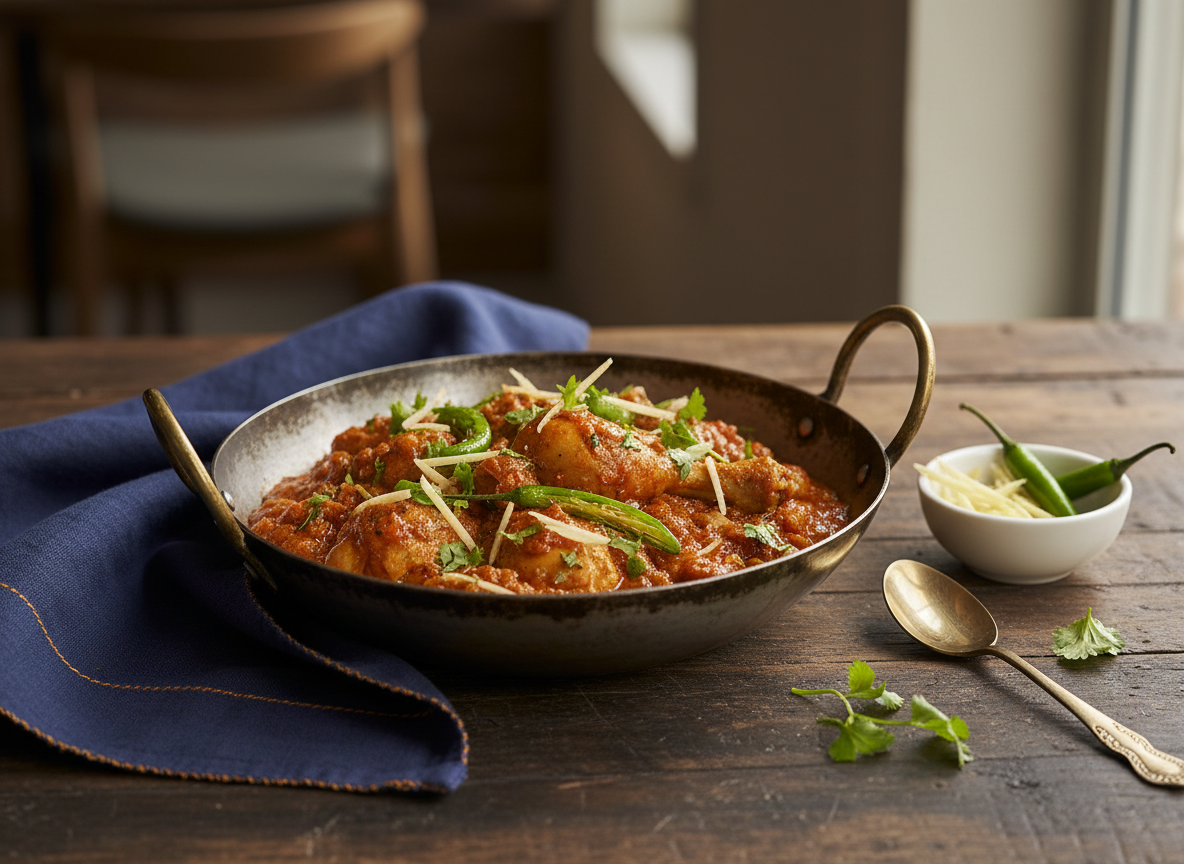
    Chicken Karahi Recipe – Pakistani Tomato Chicken Karahi

    Chicken Karahi Recipe is one of Pakistan’s best-loved home-style chicken dishes. It is known for its tomato-rich masala, fresh ginger, green chillies and lively aroma. Unlike a very thin curry, a traditional karahi is usually cooked until the tomatoes reduce and cling to the chicken. The result is a dish that tastes bold but still lets the flavour of the chicken and fresh ingredients come through.

    This recipe uses familiar ingredients and a straightforward stovetop method. It is suitable for a family meal, a weekend lunch or a dinner when you want something special without a complicated process. The heat level is flexible: use fewer green chillies and less red chilli powder for a milder karahi, or adjust them upward if your family enjoys a hotter dish.

    The quantities below are based on 750 grams of bone-in chicken and make approximately four servings. Chicken pieces vary in size, and cooking time depends on the pan, stove and cut of meat, so use the doneness checks in the method rather than relying only on the clock.

    Recipe at a glance

    Preparation time: about 15 minutes. Cooking time: about 35 minutes. Total time: approximately 50 minutes. Servings: 4. Cooking method: stovetop karahi or a wide, heavy-based pan. Difficulty: medium. The time is an estimate and may vary with your equipment and the size of the chicken pieces.

    Ingredients and why they matter

    Chicken: Use 750 grams of bone-in chicken cut into medium pieces. Bone-in pieces bring flavour to the masala and are traditional in many home-style versions. Boneless chicken can also be used, but it generally cooks faster and can become dry if left simmering for too long.

    Tomatoes: Four medium tomatoes form the main sauce. Chop them so they soften evenly. Ripe tomatoes usually break down more easily and provide a balanced sweet-tart flavour. If the tomatoes are particularly firm, allow extra time for them to soften before reducing the masala.

    Oil or ghee: Two tablespoons are enough to begin cooking. Ghee gives a richer aroma, while neutral cooking oil keeps the flavour lighter. The amount needed can vary slightly with the pan and the chicken.

    Ginger-garlic paste: One tablespoon builds the savoury base. Cook it briefly with the chicken and spices so its raw aroma fades, but avoid scorching it.

    Ground spices: Use one teaspoon of red chilli powder, one teaspoon of coriander powder, half a teaspoon of cumin and salt to taste. These seasonings support the tomato and ginger flavours. Start with less chilli if you are unsure, because you can adjust the seasoning near the end.

    Fresh finishing ingredients: Three slit green chillies, one tablespoon of ginger cut into thin matchsticks, fresh coriander and lemon complete the dish. Add these near the end so their freshness remains noticeable.

    Equipment and preparation before cooking

    A wide karahi is ideal because it gives the chicken room to brown and allows moisture to evaporate. If you do not have a karahi, choose a wide, heavy-bottomed frying pan or sauté pan. A very small saucepan can crowd the chicken and trap steam, making it harder to reduce the masala.

    Before turning on the stove, wash and prepare the tomatoes, slit the green chillies, cut the ginger into matchsticks and measure the spices. Keep the chicken refrigerated until you are ready to cook. Use a separate board and utensils for raw chicken, and wash your hands and work surfaces after handling it.

    Patting the chicken reasonably dry with clean kitchen paper can help it brown instead of releasing excess surface water immediately. Do not rinse raw chicken in the sink, as splashing can spread germs around the kitchen.

    Step-by-step method

    1. Heat the oil or ghee in the karahi over medium-high heat. Add the chicken in a single layer if possible. Let the pieces take on a little colour, turning them as needed. If your pan is small, brown the chicken in batches rather than crowding it.

    2. Add the ginger-garlic paste. Stir for a short time until fragrant. Add the red chilli powder, coriander powder, cumin and salt. Mix so the spices coat the chicken. If the pan looks dry, lower the heat briefly and stir carefully so the ground spices do not burn.

    3. Add the chopped tomatoes and mix well. Cover the pan and cook over medium heat, stirring from time to time. The tomatoes will soften and release liquid. The chicken will cook in this moisture while the flavours combine. If the mixture begins sticking before the chicken is tender, add a small splash of water rather than allowing the masala to burn.

    4. Check the largest chicken piece for doneness. The centre should no longer be raw, and poultry should reach a safe internal temperature of 74°C (165°F) measured with a food thermometer at the thickest part without touching bone. If it needs more time, cover and continue cooking gently.

    5. Once the chicken is cooked, remove the lid. Continue stirring and cooking until excess tomato liquid evaporates and the masala becomes thick. You may see a little oil around the edges. This is a sign that the sauce has reduced; it is not necessary to cook until the pan becomes excessively oily.

    6. Add the slit green chillies and ginger matchsticks. Cook for another minute or two so they warm through while keeping some freshness and texture. Taste the masala and adjust salt or lemon to your preference.

    7. Turn off the heat. Sprinkle over chopped fresh coriander and a squeeze of lemon. Let the karahi rest for a few minutes, then serve while hot.

    How to get a thick, flavourful karahi

    The most important part of the texture is reducing the tomato masala after the chicken has cooked. If you serve it while the tomatoes are still watery, the flavour may taste diluted. Keep the pan uncovered for the final stage and stir regularly so the sauce thickens without catching at the bottom.

    Use ripe tomatoes and avoid adding too much water at the beginning. The chicken and tomatoes release moisture as they cook. Add extra liquid only when needed to prevent sticking or to help the chicken finish cooking.

    Fresh ginger is not just decoration. Its sharp, clean flavour balances the richness of the masala. Add most of the ginger near the end rather than cooking all of it for a long time.

    Common mistakes and how to avoid them

    Cooking the chicken over very high heat throughout can brown the outside before the centre is cooked. Brown it initially, then let it cook through at a steady medium heat. The largest pieces should always be checked before serving.

    Adding all the water at once can leave the finished dish thin. Begin with the tomatoes and allow them to release their own liquid. Add only small splashes if the pan becomes too dry.

    Burning the spices gives the masala a bitter taste. Stir the ground spices briefly and add tomatoes soon after. Lower the heat if the pan is extremely hot.

    Cutting the ginger and green chillies too early and leaving them exposed for a long time can reduce their fresh aroma. Prepare them shortly before the finishing stage when possible.

    Using too much chilli at the beginning can make it difficult to balance the dish. Start with a moderate amount, taste after the masala reduces, and then adjust carefully.

    Variations and substitutions

    For a boneless version, use boneless chicken cut into even pieces and reduce the cooking time. Check the centre of the largest piece so it is fully cooked but not overdone. Boneless chicken breast is lean and can dry out more quickly than thigh meat.

    For a milder family version, reduce the red chilli powder and use one green chilli or omit it. You can still keep the ginger, coriander and tomato flavours prominent.

    If you prefer a richer finish, use ghee instead of oil or add a small extra spoon near the end. Keep the quantity modest so the tomato masala remains the main feature.

    If fresh tomatoes are not very ripe, cook them a little longer until they break down. Avoid relying on large amounts of tomato paste as a direct replacement, because it changes the flavour and thickness.

    What to serve with chicken karahi

    Warm naan or roti is a classic choice because it can scoop up the thick masala. Plain chapati works well for an everyday meal. Steamed basmati rice is another option, especially if you prefer a less bread-focused plate.

    Fresh cucumber, onion and tomato salad adds crunch and freshness. Plain yogurt or cucumber raita can soften the heat. Lemon wedges, mint chutney and sliced green chillies can be offered separately so everyone can adjust their own plate.

    For a fuller family spread, serve the karahi with a simple salad, one bread or rice option and a cooling side. You do not need many elaborate dishes because the karahi itself is strongly flavoured.

    Storage, reheating and food safety

    Refrigerate leftovers promptly in a shallow, covered container. Do not leave cooked chicken at room temperature for more than two hours, or one hour in very hot conditions above 32°C (90°F). Use refrigerated leftovers within three to four days.

    Reheat only the portion you plan to eat, until it is steaming hot throughout. A small splash of water can loosen the masala if it has thickened in the refrigerator. Stir during reheating so the centre warms evenly. Avoid repeatedly cooling and reheating the same batch.

    Freeze portions in suitable airtight containers if you need to keep them longer. Thaw safely in the refrigerator and reheat thoroughly. The texture of the tomato masala may change slightly after freezing, but stirring while reheating can help bring it together.

    Frequently asked questions

    Can I make chicken karahi without a karahi pan? Yes. A wide, heavy-bottomed frying pan or sauté pan works well. Choose a pan that gives the chicken enough space and lets moisture evaporate.

    Can I use boneless chicken? Yes. Cut it into even pieces and shorten the cooking time. Check that the centre reaches 74°C (165°F) and avoid overcooking.

    Why is my chicken karahi watery? It may need more uncovered cooking time. Let excess tomato liquid evaporate while stirring regularly. Avoid adding too much water at the start.

    How can I make the dish less spicy? Reduce the red chilli powder and green chillies. Taste the masala near the end before adding more heat.

    Can I prepare it ahead? You can cook it ahead and refrigerate it safely. Reheat gently until piping hot. Add a little fresh coriander and ginger just before serving to refresh the flavour.

    Can I add yogurt? This version does not require yogurt. Adding it will change the flavour and texture; if you experiment, use a small amount and stir it in carefully over lower heat so it does not split.

    How do I know the chicken is cooked? Check the thickest part of the largest piece with a food thermometer. It should reach 74°C (165°F). Do not rely on colour alone.for more infoChicken Karahi Recipe – Pakistani Tomato Chicken Karahi

    Final thoughts

    Chicken karahi is a useful recipe to keep in your home-cooking collection because it uses familiar ingredients and can be adjusted to suit different tastes. Take your time reducing the tomato masala, check the chicken carefully and finish with fresh ginger, green chillies and coriander. Serve it hot with naan, roti or rice and a cooling side. Once you are comfortable with the method, you can adjust the chilli level and garnish while keeping the same simple cooking approach.